
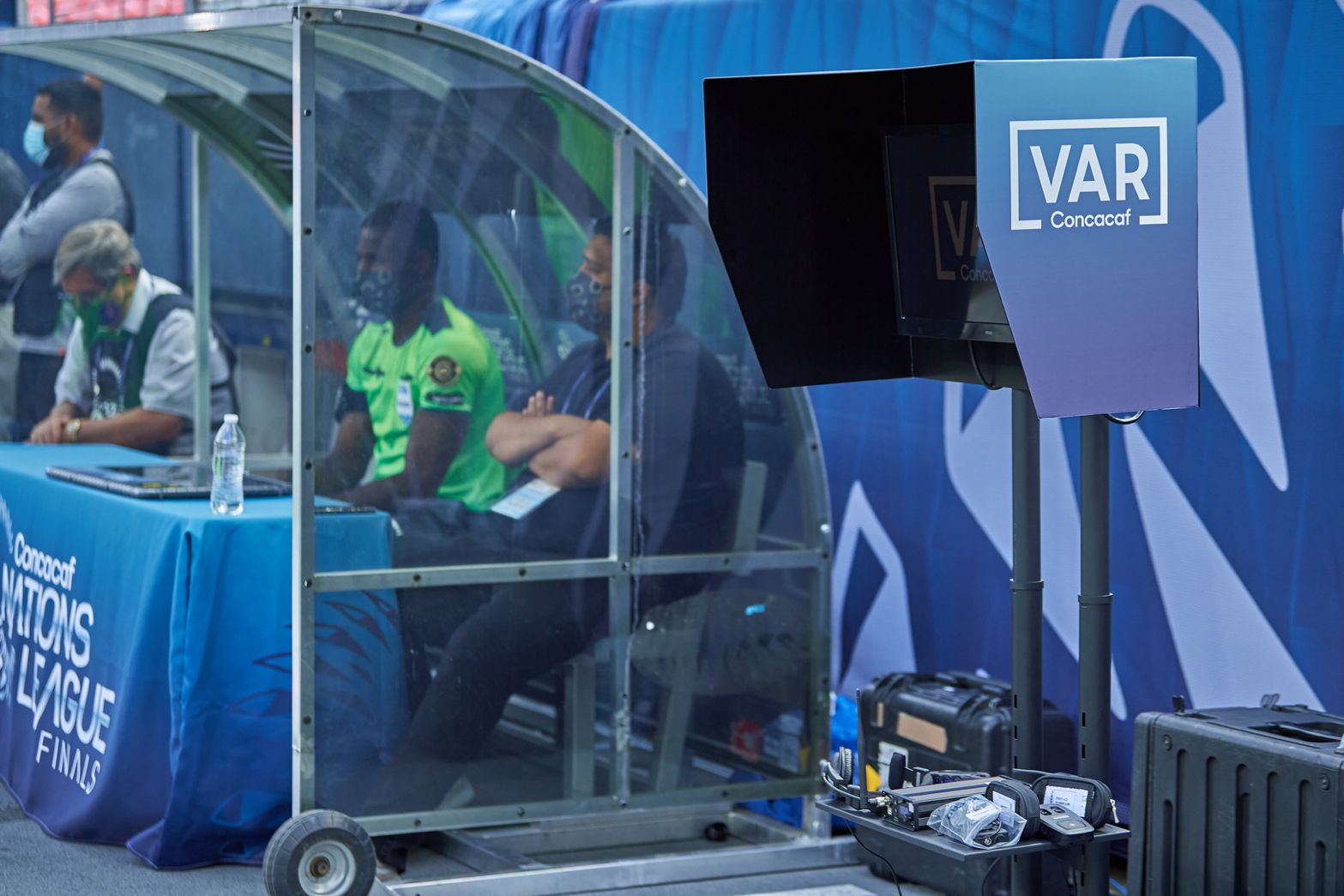
Video Assistant Referee (VAR): The Debate Shaking the World of Sport
Since its introduction in major competitions like the World Cup and the big football championships (Ligue 1, Premier League, etc.), video assistant refereeing (VAR) has divided fans, players, and analysts. Designed to eliminate obvious errors and guarantee sporting justice, has this technology truly kept its promises, or is it distorting the very essence of sport?
The Promises Kept: When Technology Serves Justice
The main argument in favour of video assistant refereeing is simple: the accuracy of decisions.
- Correction of Obvious Errors: VAR primarily intervenes in four types of situations: goals, penalties, direct red cards, and mistaken identity. It has allowed the correction of blatant injustices that could have cost titles or qualifications.
- Assistance for the Referee: The pressure on the central referee is immense. Technology in sport offers them a safety net for decisive moments, allowing them to make decisions more calmly.
- Transparency (Theoretical): In theory, the use of multiple camera angles and visualisation by a video referee guarantee better transparency on complex actions.
Why VAR is beneficial: It ensures better sporting justice by correcting human errors in judgment on key actions.
Points of Friction: Why Is the VAR Still Annoying?
Despite its benefits, the VAR is far from gaining universal approval. Its detractors point to the negative consequences on the match experience.
Latency and the Breakdown of Rhythm
The most frequent criticism is the waiting time. The long minutes needed to verify an action break the momentum and spontaneity of the game, a crucial dimension of football.
- Spoiled Celebrations: Seeing an initially validated goal being disallowed after several minutes of checking is a major source of frustration for supporters.
- Subjective Decisions: Even with video, certain interpretations (such as the notion of a foul or a handball) remain subjective. The VAR does not eliminate controversy; it simply shifts it from the pitch to the control room.
The Problem of Millimetric Offside
The use of calibration tools to check for millimetric offsides is the focus of the debate. For many, seeking the offence down to the micron goes against the spirit of the game, which should allow a margin for human error to favour attack.
How to Optimise Video Assistant Refereeing?
The VAR is here to stay. Rather than abolishing it, the world of sport must focus on optimising its use. Solutions like “semi-automated offside” (already used in some FIFA competitions) show the way: quicker decisions, less interpretation, and a return to game fluidity.
The future of technology in sport does not lie in the eradication of error, but in seeking a balance between sporting justice and preserving the emotion of the game.